
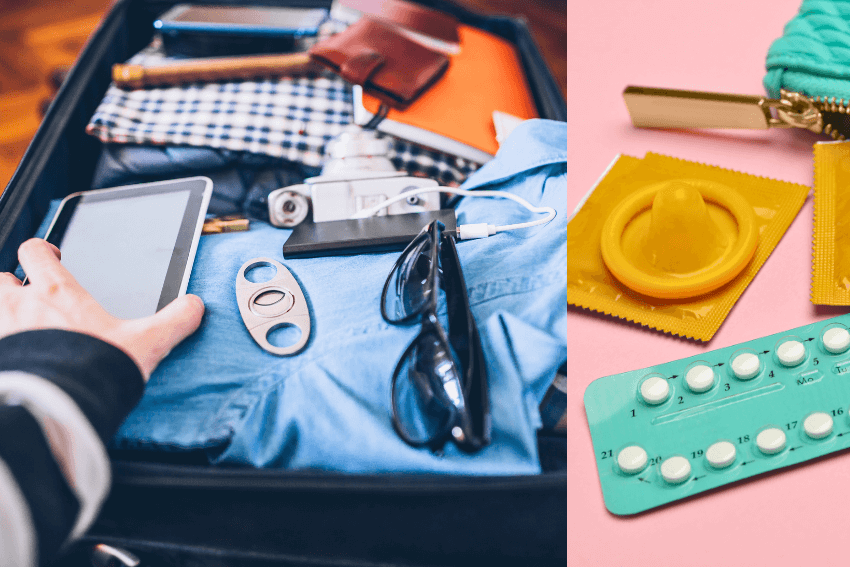
Traveling is an exciting adventure that brings new experiences, cultures, and opportunities. While exploring the world, it’s crucial to prioritize your health, and that includes practicing safe sex.
In this comprehensive guide, we’ll walk you through everything you need to know about safe sex while traveling. From understanding the risks to essential preparations and practices, we’ve got you covered.
While some travelers may choose to abstain or explore their desires through alternative means like pornography (may I suggest blonde porn), for those who engage in sexual encounters during their travels, it’s important to do so responsibly to safeguard their well-being.